
A structure of a blockchain refers to a system of structured and connected blocks that form a chain. This is why it is called blockchain. But have you ever wondered what the structure of a blockchain looks like behind your trading monitor? Are these real blocks that can be touched physically? Or do they exist only in digital form? How are these blocks connected to each other and do our favor? Let’s break it down in this article.
Simply, blockchain does not consist of physical blocks. It exists only in digital form and is made up of connected blocks that store and integrate data. Each block contains information and connects to another block through a unique code. This is what forms the structure of a blockchain. This system runs securely and transparently across the network.
What Is the Structure of a Blockchain
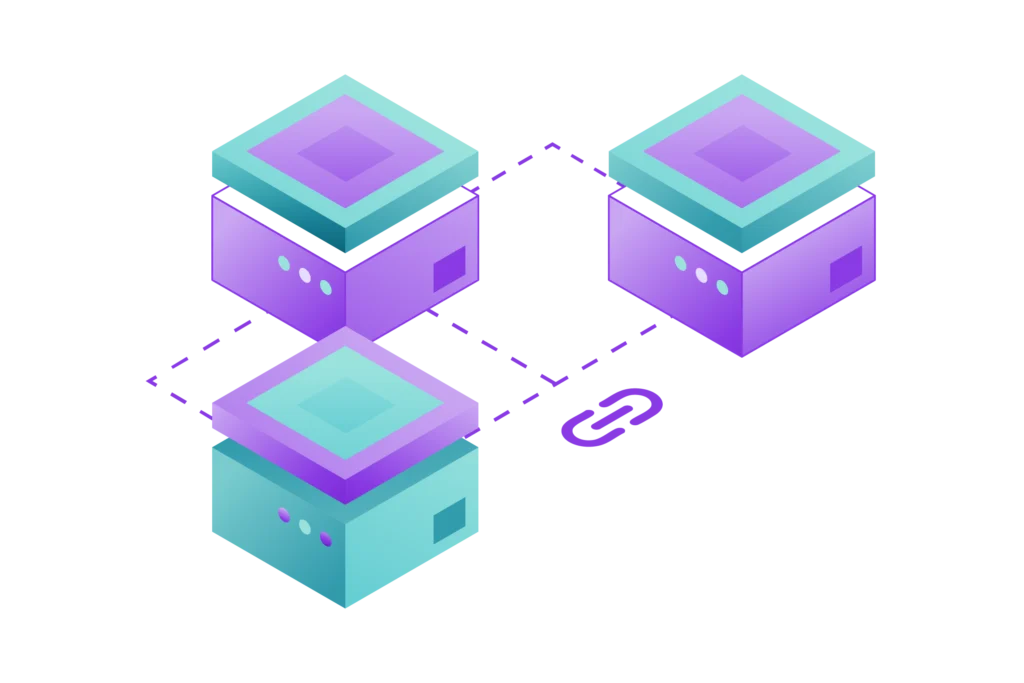
A simpler way to see it is this: blockchain is a way to store digital records in grouped sections called blocks. Those blocks do not sit there separately. Every block will be connected with the previous block so that all the records keep adding up instead of turning into a random stack of entries. All these connected blocks are very important because they allow the system to detect if any data has been changed or manipulated.
If you want a rough picture in your mind, think of a shared journal that many people maintain at the same time. New entries get added one page after another. No one can quietly go back, replace an older page, and hope the rest of the group never notices. Blockchain works with that same kind of logic. The structure itself makes hidden changes much harder to pull off, which is why the arrangement of the data matters just as much as the data inside it.
Main Components of a Blockchain Structure
Speaking of the structure of a blockchain, main components are blocks, transactions, hash functions, and the distributed ledger. Each one handles something different. One stores records, one represents the records themselves, one helps protect them, and one makes sure the record is shared across the network instead of sitting in one central place.
Blocks
Blocks are basically containers for data. If you want to keep it simple, that is really the easiest way to understand them. A block structure collects a group of verified records and puts them together in one place before becoming part of the chain. Once it is added, it no longer stands as a loose set of information. It becomes one step in a sequence that keeps growing over time.
Transactions
A transaction does not always mean sending money from one wallet to another. In practice, it can represent many different things depending on the blockchain. It could be a contract update, a system activity, a token transfer, or even proof that a certain action has taken place. So when people say blockchain stores data, this is usually what they mean. Transactions are the actual records written into the system.
Hash Functions
Hash functions may sound quite technical, and to be fair, they are. A hash function actually takes input data and turns that data into a fixed string of characters. In simple terms, hash functions will convert any kind of information into an existing unique code. This output works like a digital fingerprint. It gives the data its own identity, so the system can quickly recognize and check it. If the original data changes, even slightly, the hash will also change. This is what makes any form of tampering much easier to notice within the system.
Distributed Ledger
Blockchain is commonly described as a giant distributed ledger. The idea is quite simpler than you think. The data is actually not stored in just one place. Many participants in the network keep the same copy at the same time.
So there is no single party holding the main version. Everyone keeps their own record and updates it based on shared rules. This is what makes the system more open and less dependent on one central authority.
What Is a Block in Blockchain
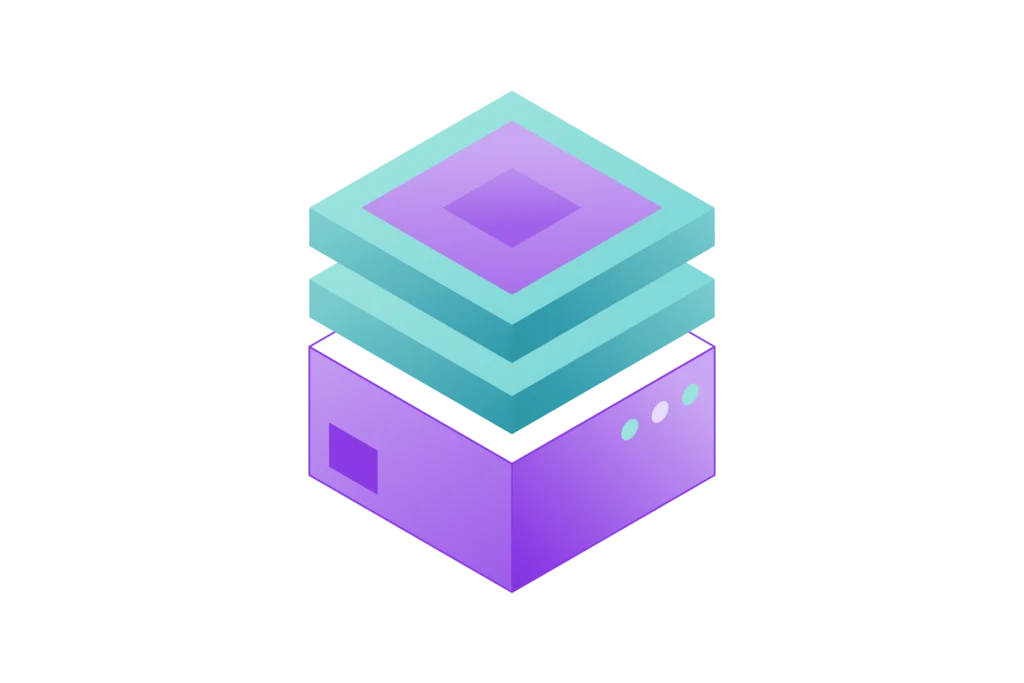
A block is the basic storage unit in a blockchain. It gathers verified transactions, includes some supporting information, and then gets attached to the block before it. That is the job. Pretty straightforward on paper.
Still, the role of a block matters more than the definition makes it sound. A block is not just a bucket for data. It is also a piece of sequence. It tells the network, in effect, “these records belong here, after what came before, and before whatever comes next.” That sense of order is a big part of blockchain’s value.
If you want an everyday comparison, think of a block like one completed page in a ledger book. You fill the page with entries. Once it is done, it becomes part of the permanent record, then the next page starts. Blockchain follows a similar pattern, except the “pages” are digital and the links between them are protected with cryptography instead of paper numbering.
Blockchain Structure: Essential Guide Step by Step
Understanding the structure of a blockchain can be started with knowing a detailed part of the block itself. A block in a blockchain consists of two things: block header and block body. It is basically just a method to separate the identifying details from the actual contents that have been stored. One part explains what the block is and where it belongs. The other part carries the information the block is meant to hold.
Block Header
The block header is the part that holds the identity of a block. You can think of having a block header as a label. The function of black header is to help the system recognize the block and know where it should go. Including details like the previous block hash, some technical values such as the merkle root, nonce, and difficulty or also the timestamp.
It is basically a small part compared to the rest of the block. Still, it plays a big role. The network uses it to recognize the block and check if everything is valid. Without this header, the transactions would still be there. But they would feel disconnected. There would be no clear link that ties them into the chain.
Block Body
The block body is where the actual transaction data goes. This is the part most people care about because it contains the records being added to the blockchain. If the network is processing token transfers, the block body stores those transfers. If it is being used for some other kind of record, the data sits here instead.
A simple analogy works well here. The block header is like the label on a shipment box. The block body is what is actually inside the box. The label helps you identify and track it. The contents are the thing being delivered.
Understanding Block Header Components
The header includes several pieces that help the network verify the block and place it correctly in the chain. These elements matter so much because they show how actual blockchain structure works in real-case use. It is not just in neat textbook definitions. Once understood what each piece of blocks is doing, the whole system starts to feel a lot less abstract.
Previous Block Hash
The previous block hash is actually the hash code from the previous block, that’s it. As simple as that. But still, this part plays a big role in keeping the chain connected. Each block points back to the one before it. That backward link is what turns separate blocks into one continuous record.
Merkle Root
The Merkle root is a summary hash built from all the transactions inside a block. You do not need to get lost in the math to understand the point of it. The main idea is that it gives the network a compact way to represent the whole transaction set.
That matters because checking one summary is a lot more efficient than constantly checking every single transaction from scratch. If something inside the transaction set changes, the Merkle root changes too. So it acts a bit like a seal across the contents of the block.
Timestamp
The timestamp records when the block was created or validated. It sounds like a small detail, maybe even an administrative one, but it is important because blockchain is not just about storing records. It is also about preserving their sequence.
A timestamp helps place the block in time. That gives the chain order, which matters when the network needs to know what happened first and what came later. Without that sense of chronology, the record would be much harder to trust.
Nonce and Difficulty
Nonce and difficulty mainly show up in Proof of Work (PoW) blockchains. The nonce is a number that miners will change until they get a valid hash for a block. And, “difficulty” will tell you how hard the work is to be finished.
And, the nonce itself is what keeps getting adjusted until something finally works. It usually takes many tries before the right result appears. That is intentional. The system is designed to make finding the answer require effort, even though checking the result later is much simpler.
Also Read: Top 10 Blockchain Developers in Singapore (2026 Update)
How Transactions Are Stored in Blockchain
A transaction usually starts by being shared with the network. After that, participants take a look and check if it follows the rules. If everything looks valid, it can be included in a block. So it does not go straight into the blockchain right away. There is a checking step first, and that part is important because the network needs to agree that the transaction is valid.
Once enough valid transactions are collected, they are put together into a block. That block then gets added to the chain after the network reaches agreement through its consensus process. At that stage, the transactions are no longer pending. They become part of the blockchain’s shared record.
The basic flow usually looks like this:
- a transaction is created
- the transaction is broadcast to the network
- participants verify it
- valid transactions are grouped into a block
- the block is added to the chain
- the updated ledger is shared across the network
That process is one reason blockchain feels different from a normal centralized database. In a traditional system, one authority might simply update the record directly. In blockchain, the update becomes part of a collective process before it is officially written into the chain.
How Blocks Are Connected in a Blockchain
A simple way to picture how blocks connect is to imagine a train. Each car stands on its own, but it is still linked to the ones before and after it. If one link breaks, the whole structure feels it. Blockchain works in a similar way, but the connections are not physical. They rely on cryptographic references instead.
Since every block points back to the one before it, changing an older block does not stay contained. The impact moves forward through the chain. That is why unauthorized changes are much easier to spot in a blockchain system.
Also Read: Top 10 Blockchain Companies in Singapore to Watch in 2026
Why Blockchain Structure Matters
Transparency is not just an extra feature. It comes from the way the system is put together. The records are grouped, connected, checked, and shared in a clear pattern. That structure is doing most of the real work. Without that structure, blockchain would not feel that different. If the data was not organized into blocks, connected through hashes, and shared across many participants, it would just look like another database with more technical terms.
In a centralized system, people tend to trust the company that runs the database. With blockchain, that trust moves away from one party. It leans more on the rules, the process, and how the data is linked. Still, it does not mean every blockchain works perfectly.
Conclusion
The structure of a blockchain sounds more intimidating at first. Once you understand the main parts, the whole thing starts to feel much more easy. Blocks hold records. Transactions are the records. Hash functions help protect integrity. The distributed ledger keeps the system shared instead of centralized. Then inside each block, the header provides the identifying details while the body stores the actual contents.
So when people ask what the structure of a blockchain is, the short answer is this: it is a record-keeping system designed to keep data ordered, connected, and harder to tamper with. But if your focus is trading, you do not really need to go this deep or overthink the structure, since firms like Quant Matter can handle the technical side through services such as quantitative trading, market-making, and treasury management.

Anggita Hutami is an SEO writer and digital journalist specializing in technology and financial markets since 2019. Her coverage includes quantitative trading, cryptocurrency, fintech, and artificial intelligence. At Quant Matter, she focuses on explaining how algorithmic trading strategies, market-making mechanisms, and financial technologies influence global markets. Her work aims to bridge complex financial research with accessible insights for a wider audience.