
Financial markets don’t reward guesswork, they reward discipline, experience, and consistency. After years of observing retail traders struggle with emotional decisions, overtrading, and missed opportunities, one trend has consistently stood out: traders perform better when they follow structured, proven strategies rather than acting alone.
Copy trading emerged from this reality, offering a transparent way to mirror the real time decisions of experienced traders while maintaining full control over risk and capital. By combining automated execution with verifiable performance data and built-in risk management, this approach has become a trusted gateway for both beginners seeking guidance and seasoned investors looking to scale their strategies responsibly.
What is Copy Trading?
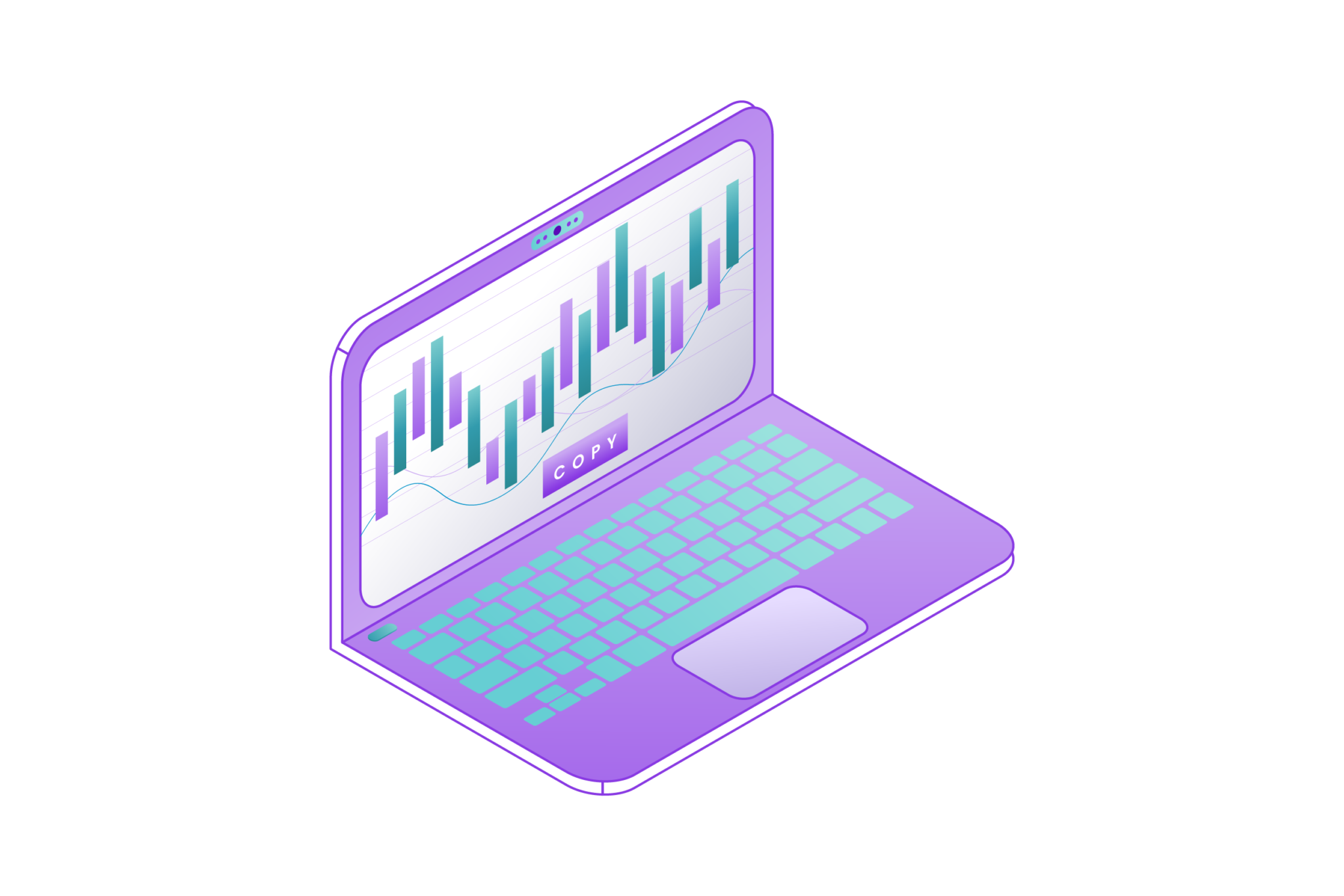
Copy trading is an automated method where you replicate another trader’s positions (and sometimes their risk/position sizing) in your account. When the copied trader opens, adjusts, or closes a trade, those actions are mirrored proportionally in your account. Copying can be synchronous (real-time) or have slight delays depending on liquidity and the platform.
Main variants:
- Signal copying: you receive the trader’s signals and execute them manually or via the platform.
- Automated copy: the platform replicates trades automatically in proportion to your allocated funds.
- Hybrid models: you can adjust the trade size, stop-loss, or other parameters per copied trader.
Also Read: Top 11 Growing Web3 Companies Redefining Blockchain in 2026
How Does Copy Trading Work?
Copy trading platforms provide a user-friendly interface that connects you with a network of traders. To get started, you need to open an account with a copy trading platform and deposit funds. Once your account is set up, you can browse through the profiles of various traders, reviewing their performance history, strategies, and risk levels.
After selecting a trader to copy, you decide how much of your capital to allocate for copying their trades. Many platforms allow you to set parameters such as stop-loss limits to manage your risk. From there, the platform takes care of the rest. Every trade the selected trader makes is automatically copied into your account, proportionate to the amount you’ve allocated.
Most platforms charge a fee for their services, which can be a percentage of the profits made from copied trades or a flat fee. It’s crucial to understand these fees before starting, as they can impact your overall profitability. Additionally, while copy trading can be a powerful tool, it’s not without risks. The performance of your investments is directly tied to the trader you follow, so choosing wisely and diversifying your copied traders can help mitigate some of these risks.
Benefits of Copy Trading

Copy trading offers several advantages, making it an appealing option for many investors. One of the primary benefits is the ability to learn from experienced traders. By observing their trading strategies and decisions, you can gain insights into market dynamics and improve your own trading skills over time.
Another significant benefit is the time-saving aspect. Traditional trading requires extensive research, analysis, and constant monitoring of the markets. Copy trading, on the other hand, allows you to leverage the expertise of others without having to invest as much time and effort. This makes it ideal for those with busy schedules or those who prefer a more passive approach to investing.
Copy trading also offers diversification opportunities. By following multiple traders with different strategies and asset classes, you can spread your risk across various markets and instruments. This can help balance your portfolio and potentially increase your chances of achieving consistent returns.
Risks and Considerations of Copy Trading
While copy trading has many benefits, it’s essential to be aware of the risks involved. The success of your copy trading endeavors is heavily dependent on the performance of the traders you follow. If they make poor trading decisions, your investments will suffer as a result. Therefore, it’s crucial to conduct thorough research before selecting traders to copy.
Market volatility is another factor to consider. Even the most experienced traders can experience losses during periods of high market volatility. Copy trading does not eliminate the inherent risks of trading, and it’s possible to lose your entire investment if the markets move unfavorably.
Additionally, fees associated with copy trading can eat into your profits. Different platforms have various fee structures, so it’s important to understand these costs and how they will impact your overall returns. Make sure to read the fine print and be aware of any hidden charges before committing to a platform.
Top 10 Copy Trading Platforms for Beginners in 2026

With improved transparency, built-in risk management, and automation designed for safety and simplicity, choosing the right platform is more important than ever. Here are the Top 10 Copy Trading Platforms for Beginners in 2026, carefully selected to help new traders start with confidence, minimize common mistakes, and build a strong foundation in today’s fast-moving markets.:
1. Binance
Binance Copy Trading is designed for traders who want to participate in the cryptocurrency market with the backing of professional strategies. As one of the world’s largest crypto exchanges, Binance offers deep liquidity and a wide range of digital assets, allowing copied trades to execute with minimal slippage. The platform provides both spot and futures copy trading, making it suitable for conservative investors as well as more aggressive traders.
One of Binance’s strongest advantages is its transparent leaderboard system. Users can analyze performance metrics such as historical returns, win rates, drawdowns, and trading frequency before committing capital. Risk management tools allow followers to set maximum loss limits, adjust position sizing, and stop copying instantly. This gives users control without sacrificing automation.
Binance also supports experienced traders who want to become lead traders. These professionals can earn a portion of the profits generated by their followers, creating an incentive to maintain consistent and disciplined strategies.
Key highlights:
- Spot and futures copy trading
- Deep liquidity across hundreds of crypto assets
- Advanced risk management controls
- Detailed trader performance statistics
- Suitable for both beginners and advanced crypto traders
2. eToro
eToro is widely recognized as a pioneer of social and copy trading. Unlike platforms that focus only on crypto or forex, eToro offers a multi-asset environment that includes stocks, ETFs, commodities, indices, and cryptocurrencies. This makes it a powerful platform for long-term investors and diversified portfolios.
The CopyTrader feature allows users to automatically copy every trade made by another investor. What sets eToro apart is its social ecosystem users can view traders’ discussions, strategy explanations, and portfolio breakdowns. This transparency helps followers understand not just what trades are made, but why they are made.
eToro also offers thematic copy portfolios, which bundle multiple traders or assets into a single strategy. These are ideal for users who prefer broad exposure rather than relying on a single trader.
Key highlights:
- Multi-asset copy trading (stocks, ETFs, crypto, CFDs)
- Strong social trading and community features
- High transparency of trader behavior
- Copy portfolios for diversification
- Ideal for long-term and passive investors
3. Bybit
Bybit Copy Trading is built specifically for active cryptocurrency traders, particularly those interested in derivatives and futures markets. The platform provides access to professional traders who specialize in short-term strategies, trend-following, and leverage-based trading.
Bybit’s interface emphasizes clarity and real-time data. Followers can track open positions, unrealized profits, liquidation prices, and margin usage. This transparency helps users understand the risks involved in copying leveraged trades.
The platform also allows traders to adjust risk settings such as margin limits and copy ratios. This ensures that even aggressive strategies can be adapted to more conservative risk profiles.
Key highlights:
- Futures-focused copy trading
- Real-time trade visibility
- Advanced margin and risk controls
- Professional trader ranking system
- Designed for active crypto traders
4. Bitget
Bitget has positioned itself as a copy-trading-first crypto exchange. The platform places strong emphasis on connecting followers with elite traders while also offering automation through trading bots. This hybrid approach allows users to combine human expertise with algorithmic execution.
Bitget provides comprehensive analytics on each trader, including average holding time, historical performance, and risk scores. New users benefit from simplified onboarding and educational materials that explain how copy trading works step by step.
For experienced traders, Bitget offers monetization opportunities through profit-sharing programs, making it attractive for professionals who want to build a following.
Key highlights:
- Spot and futures copy trading
- Built-in trading bots
- Detailed trader analytics and risk scores
- Beginner-friendly interface
- Strong focus on automation
5. Echo Trade
Echo Trade takes a different approach to copy trading by focusing on curated portfolios and professional trade alerts. Instead of copying individual traders with high-frequency strategies, users can “echo” investment ideas and portfolio moves from experienced market participants.
This platform appeals to investors who prefer structured strategies rather than constant trading activity. Echo Trade is often used for swing trading, portfolio rebalancing, and longer-term positioning.
The simplified execution model reduces emotional decision-making and helps users maintain discipline over time.
Key highlights:
- Curated portfolios and professional strategies
- Trade alerts with optional auto-execution
- Long-term and swing trading focus
- Simplified copy trading model
- Ideal for investors seeking structure
6. ZuluTrade
ZuluTrade is one of the most established names in social trading. It operates as an independent network that connects traders and followers across multiple brokers. This flexibility allows users to choose their preferred broker while still accessing a wide range of signal providers.
The platform is known for its advanced filtering tools. Users can rank traders based on risk, consistency, drawdown, and trading style. ZuluTrade also offers automated risk protection features that can stop copying a trader if losses exceed predefined limits.
Its long history and data-rich environment make it popular among analytical traders.
Key highlights:
- Independent copy trading network
- Extensive performance metrics
- Advanced trader filtering tools
- Automated risk protection features
- Strong reputation in forex markets
7. Pepperstone
Pepperstone is a globally recognized broker that supports copy trading through multiple third-party platforms. Its main advantage lies in execution quality, offering low-latency order processing and competitive spreads.
This makes Pepperstone particularly attractive for copying scalping and high-frequency strategies, where execution speed is critical. Traders can choose from several copy trading systems depending on their preferences.
Pepperstone’s infrastructure is designed for serious traders who value precision and reliability.
Key highlights:
- Fast execution and low spreads
- Multiple copy trading integrations
- Suitable for scalping strategies
- Professional trading environment
- Strong broker reputation
8. PrimeXBT
PrimeXBT integrates copy trading through its Covesting module, which allows users to follow strategy managers in crypto and derivatives markets. Covesting emphasizes transparency, displaying detailed performance data and risk metrics for each strategy.
This platform is designed for users who understand the risks of leveraged trading. Strategies can generate high returns but also experience significant drawdowns, making risk management essential.
Strategy managers earn rewards based on their performance, encouraging disciplined and competitive trading.
Key highlights:
- Strategy-based copy trading
- Crypto margin and derivatives focus
- Transparent performance rankings
- Revenue-sharing for strategy managers
- High-risk, high-reward environment
9. OctaFX
OctaFX offers a streamlined copy trading experience through its dedicated Octa Copy app. The platform is designed with simplicity in mind, making it accessible to beginners entering the forex and CFD markets.
Users can browse master traders, review performance statistics, and start copying with minimal setup. The mobile-first design allows users to monitor and manage copied trades anywhere.
OctaFX emphasizes ease of use while still offering essential risk controls.
Key highlights:
- Mobile-first copy trading app
- Simple master–follower model
- Beginner-friendly interface
- Forex and CFD focus
- Easy risk adjustment options
10. IC Markets
IC Markets is known for its professional-grade trading infrastructure and supports copy trading through multiple systems. Traders can choose platforms that best fit their strategy, including those optimized for automation and high-speed execution.
The broker’s low spreads and raw pricing structure make it ideal for copying strategies that require tight execution, such as scalping and intraday trading.
IC Markets appeals to advanced traders who want flexibility without sacrificing performance.
Key highlights:
- Multiple copy trading systems available
- Raw spreads and low commissions
- Institutional-grade execution
- Suitable for advanced strategies
- High flexibility for professional traders
How to Choose the Right Trader to Copy
Selecting the right trader to copy is a crucial step in successful copy trading. Here are some tips to help you make an informed decision:
Performance History
Look for traders with a consistent track record of positive performance over an extended period. It’s essential to analyze their historical data, typically available over several years. Short-term gains can be enticing, but they might be the result of temporary market conditions or luck rather than skill.
A trader who has weathered various market cycles and still maintains a positive track record is likely to have a robust strategy. Consistency over time demonstrates the trader’s ability to adapt to changing market conditions, manage risks effectively, and make informed decisions that lead to sustainable growth.
Risk Management
Evaluate the trader’s risk management practices. This includes understanding how they handle losses and protect their capital. A good trader will have a clear and defined strategy for managing risk, which might include setting strict stop-loss limits to minimize potential losses, diversifying their portfolio to spread risk across various assets, and avoiding over-leveraging.
Traders who consistently take excessive risks might achieve high short-term gains, but this approach can lead to significant losses in the long run. By ensuring the trader has a solid risk management plan, you can mitigate the potential for severe financial setbacks.
Trading Style
Consider the trader’s trading style and whether it aligns with your investment goals and risk tolerance. Trading styles can vary significantly, from aggressive, high-frequency trading that aims for quick profits to more conservative, long-term investing strategies. If you prefer stability and are looking for steady growth, a trader who focuses on long-term investments in stable assets might be more suitable.
On the other hand, if you’re comfortable with higher risks for the chance of higher rewards, a trader who engages in short-term trades and takes advantage of market volatility might align better with your goals. Understanding the trader’s approach and ensuring it matches your investment philosophy is crucial for a successful copy trading experience.
Also Read: What is Quantitative Trading? A Comprehensive Overview
Transparency
Choose traders who are transparent about their strategies, performance, and risk levels. Transparency is a critical factor in building trust and making informed decisions. Traders who openly share their trading methodology, past performance metrics, and potential risks provide you with a clearer understanding of what to expect. Platforms that offer detailed profiles, including comprehensive performance data, risk assessments, and historical trade records, allow you to evaluate the trader’s credibility and reliability. Transparency ensures that you can monitor the trader’s activities and make decisions based on accurate and complete information.
Community Feedback
Leverage community feedback and reviews to gauge the reputation and reliability of traders. Many copy trading platforms have social features that enable users to discuss and review traders, sharing their experiences and insights. By paying attention to the collective opinions of the community, you can identify traders who are well-regarded and have a track record of positive interactions.
Look for traders who consistently receive favorable reviews and have a supportive community around them. This feedback can provide valuable context that goes beyond raw performance data, offering a more comprehensive view of the trader’s behavior, reliability, and suitability for your investment strategy.
Conclusion
Copy trading is not a shortcut to instant profits, but it represents a smarter evolution of how modern traders participate in the markets. When approached with proper risk management, realistic expectations, and ongoing performance review, it can transform trading from an emotional guessing game into a structured, data-driven process.
The real advantage lies not in blindly following others, but in leveraging transparency, experience, and discipline to make informed decisions. As financial markets continue to grow more complex and fast-moving, copy trading stands out as a practical bridge between professional expertise and everyday investors empowering traders to participate with confidence, control, and long-term perspective.

Joshua Soriano
As an author, I bring clarity to the complex intersections of technology and finance. My focus is on unraveling the complexities of using data science and machine learning in the cryptocurrency market, aiming to make the principles of quantitative trading understandable for everyone. Through my writing, I invite readers to explore how cutting-edge technology can be applied to make informed decisions in the fast-paced world of crypto trading, simplifying advanced concepts into engaging and accessible narratives.