
The cryptocurrency ecosystem has grown far beyond a single chain. Today, there are hundreds of blockchains each with its own strengths, communities, and use cases. Some are fast and cheap, others are secure and deeply decentralized, and many are optimized for specific applications like gaming, decentralized finance (DeFi), or NFTs.
But this diversity creates a major challenge: blockchains don’t naturally communicate with each other.
If you’ve ever wondered how someone moves assets from one blockchain to another like transferring tokens from Ethereum to a faster network you’re already touching on the concept of a crypto bridge.
In this guide, we’ll break down exactly what a crypto bridge is, how it works, why it matters, and what risks you should be aware of. Whether you’re new to crypto or exploring DeFi strategies, understanding bridges is essential in today’s multi-chain world.
What Is a Crypto Bridge?
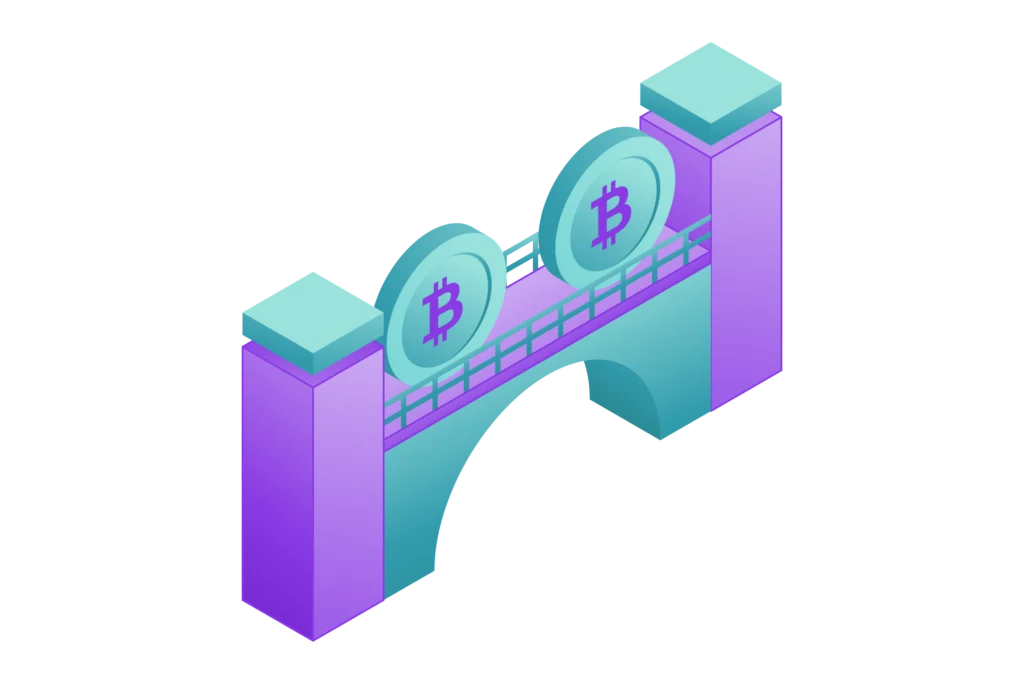
A crypto bridge (or blockchain bridge) is a tool or protocol that allows users to transfer assets and data between different blockchains.
Since blockchains operate independently, they cannot directly share information. A bridge acts as the connection layer that enables interoperability between them.
Simple Explanation:
Think of each blockchain as an island. Each island has its own rules, currency, and infrastructure. A crypto bridge is like a ferry that carries assets from one island to another.
Without bridges, your crypto would be stuck on its original chain.
Also read: 10 Best Crypto Faucets You Should Know in this year (Legit & High-Reward)
Why Do Crypto Bridges Matter?
Crypto bridges play a crucial role in the evolution of Web3. As the ecosystem becomes more fragmented, the ability to move assets freely becomes increasingly important.
1. Cross-Chain Flexibility
Users are no longer limited to one blockchain. You can:
- Move assets to cheaper networks
- Access new DeFi platforms
- Participate in different ecosystems
2. Lower Transaction Costs
Some networks, like Ethereum, can have high fees during peak usage. Bridges allow users to transfer assets to more cost-efficient chains.
3. Access to New Opportunities
Different blockchains offer unique:
- DeFi protocols
- NFT marketplaces
- Gaming ecosystems
Bridges make it possible to explore all of them without selling your assets.
4. Improved Liquidity
By moving assets across chains, bridges help distribute liquidity throughout the ecosystem, making markets more efficient.
How Does a Crypto Bridge Work?
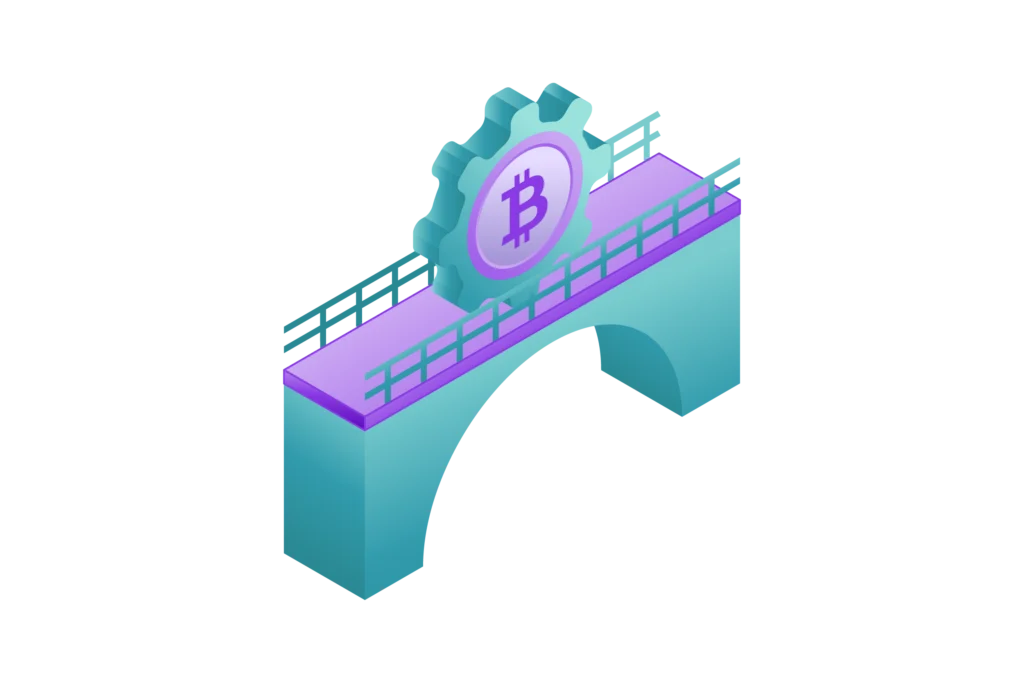
At its core, a crypto bridge doesn’t physically “move” your crypto. Instead, it uses a system of locking and minting or burning and releasing assets.
The Most Common Mechanism: Lock and Mint
Here’s how it typically works:
- You send your tokens (e.g., ETH) to a bridge on the original blockchain
- Those tokens are locked in a smart contract
- A corresponding token is minted on the destination blockchain
- You receive the wrapped version of your asset
Example
- You send 1 ETH to a bridge
- That ETH is locked on Ethereum
- You receive 1 wrapped ETH on another blockchain
When you want to return:
- The wrapped token is burned
- The original ETH is released
This ensures that the total supply remains consistent.
Types of Crypto Bridges
Not all bridges are built the same. There are several types, each with its own trade-offs.
1. Centralized Bridges
These bridges are operated by a company or organization.
Characteristics:
- Faster transactions
- Easier to use
- Requires trust in a third party
Downside:
You rely on the operator to manage funds securely.
2. Decentralized Bridges
These bridges use smart contracts and validators to operate without a central authority.
Characteristics:
- More trustless
- Transparent
- Aligned with DeFi principles
Downside:
Can be more complex and sometimes slower.
3. Trusted Bridges
A subset of centralized bridges where users trust an entity to hold assets.
4. Trustless Bridges
These rely on code and cryptography rather than human control.
5. Native Bridges
Built directly into blockchain ecosystems.
6. Third-Party Bridges
Independent protocols that connect multiple chains.
What Are Wrapped Tokens?
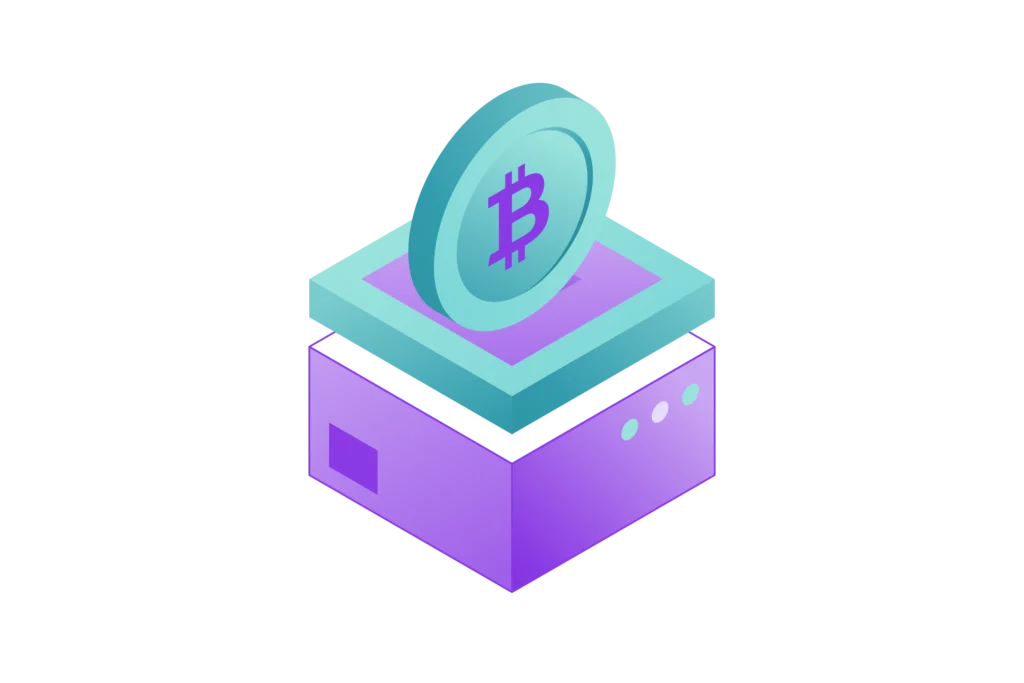
When using a bridge, you often receive a wrapped token.
A wrapped token represents the value of an asset from another blockchain.
Example:
- ETH on Ethereum → Wrapped ETH on another chain
These tokens are pegged 1:1 to the original asset and can be used in DeFi applications on the destination chain.
Real-World Use Cases of Crypto Bridges
Crypto bridges are not just technical tools—they enable real-world applications.
1. DeFi Participation
You can move assets to a blockchain with better yield opportunities.
2. NFT Transfers
Some bridges allow NFTs to be moved across chains.
3. Gaming Ecosystems
Players can transfer assets between games built on different blockchains.
4. Arbitrage Opportunities
Traders can take advantage of price differences across chains.
Benefits of Using Crypto Bridges
Accessibility
Bridges open up multiple ecosystems without needing to convert assets.
Efficiency
Users can optimize for speed, cost, or functionality.
Innovation
They enable developers to build cross-chain applications.
Risks of Crypto Bridges
Despite their benefits, crypto bridges are one of the most vulnerable parts of the blockchain ecosystem.
1. Smart Contract Vulnerabilities
Bugs in code can be exploited by hackers.
2. Centralization Risk
Some bridges rely on a small number of validators or operators.
3. Liquidity Risk
If liquidity is low, transactions may fail or be delayed.
4. Exploits and Hacks
Bridge hacks have resulted in billions of dollars in losses over the years.
5. User Error
Sending assets to the wrong address or chain can lead to permanent loss.
How to Use a Crypto Bridge Safely
Security should always be your top priority.
Best Practices:
- Use well-known and audited bridges
- Double-check wallet addresses
- Start with small amounts
- Avoid suspicious platforms
- Keep your private keys secure
Popular Crypto Bridge
There are many bridges in the market, each with different strengths. Some connect major ecosystems like Ethereum, BNB Chain, Polygon, Avalanche, and others.
When choosing a bridge, consider:
- Security reputation
- Supported chains
- Fees
- Speed
The Future of Crypto Bridges
Crypto bridges are still evolving.
As the blockchain industry moves toward a multi-chain future, bridges will become even more important.
Trends to Watch:
- Improved security protocols
- Cross-chain messaging systems
- Layer 2 integrations
- Interoperability standards
Eventually, users may not even notice bridges, they will simply move assets seamlessly across networks.
Also read: 10 Best Crypto Portfolio Trackers to Know in this year
Are Crypto Bridges the Future of Web3?
Without bridges, blockchains remain isolated systems. With bridges, they become part of a larger interconnected ecosystem.
This is essential for:
- DeFi growth
- Mass adoption
- Seamless user experience
Conclusion
Crypto bridges are one of the most important innovations in the blockchain space. They solve a fundamental problem how to connect different blockchains and allow assets to move freely between them.
By enabling cross-chain transactions, bridges unlock new opportunities in DeFi, gaming, NFTs, and beyond. However, they are not without risks. Security concerns and technical complexity mean users must approach them with caution and awareness.
As the industry continues to grow, crypto bridges will play a central role in shaping the future of Web3 making it more connected, flexible, and accessible than ever before.

Muhammad Ermanja
I am a quantitative trading expert with a deep focus on algorithmic strategy development, financial data modeling, and market structure analysis. Over the past ten years, I have specialized in designing, testing, and optimizing systematic trading models across equities, crypto, and derivatives markets. My work consistently explores the intersection of quantitative research, statistical analysis, and automation to uncover profitable trading opportunities in both high-frequency and medium-term strategies. Each project and article I produce is grounded in rigorous research, backtesting methodologies, and real market behavior, aiming to help traders and institutions enhance their decision-making precision and portfolio performance through data-driven insights.