
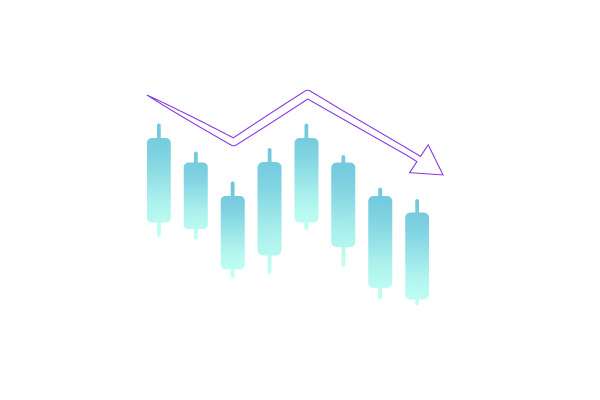
Options trading is essentially the practice of buying and selling specialized financial contracts. When you purchase an option, you secure the right to buy or sell an asset at a specific price within a defined window of time without being forced to actually do it. This creates a unique opportunity to leverage your capital and potentially profit from price shifts without buying the underlying stock outright. Traders utilize everything from basic bets on a stock’s direction to advanced combinations meant to hedge against losses. Because it can be highly lucrative, taking the time to fully understand the underlying assets and the associated risks is a necessary first step.
As a highly effective mechanism for market speculation, options allow investors to position themselves on the future trajectories of individual securities or macroeconomic indices. To fully appreciate this financial instrument, we must examine its foundational mechanics.
Understanding Options Trading
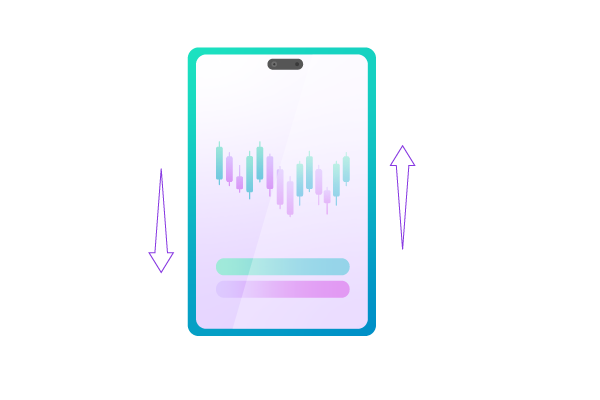
Basically, an option is just a contract that lets you guess where a stock’s price is headed without actually having to buy the stock itself. You get the choice to buy or sell it at a locked-in price before a certain date, but if things don’t go your way, you can just walk away without being forced to make the trade.
To better grasp how options fit into a broader investment portfolio, it is helpful to see how they differ from simply buying and selling traditional equities:
Feature | Options Trading | Traditional Stock Trading |
Asset Ownership | Grants the right to buy/sell, but no actual ownership until exercised | Direct ownership of company shares |
Capital Requirement | Lower upfront cost (you only pay the contract premium) | Higher upfront cost (you pay the full share price) |
Time Horizon | Strictly defined (contracts expire on a specific date) | Indefinite (shares can be held forever) |
Risk & Leverage | High leverage; you can lose 100% of your initial premium rapidly | No leverage by default; stock value rarely drops to zero overnight |
Dividends & Voting | No dividend payments or shareholder voting rights | Entitled to dividend payouts and corporate voting rights |
Profit Direction | Easily designed to profit from both rising and falling markets | Primarily profits from rising markets (short selling is possible but requires margin/borrowing) |
Complexity | High | Low to Moderate |
To understand options fully, you need to know a few key terms:
1. Derivative
Options are a derivative, meaning that they derive their value from another asset. For example, the price of a given stock dictates the value of the option contract.
2. Call option and put option
A call option grants a trader the opportunity to purchase a security at a predetermined price within a specified timeframe, whereas a put option provides the ability to sell a security at a future date and price.
3. Strike price and expiration date
The predetermined price at which an option can be exercised is referred to as the strike price. Traders have the duration of the option contract, until its expiration date, to decide whether to exercise the option at the specified strike price.
Also Read: Options Trading: A Comprehensive Guide to Rewards and Risks
4. Premium
The cost of acquiring an option is known as the premium, and it is determined by considering various factors, including the price and value of the underlying security.
5. Intrinsic value and extrinsic value
Intrinsic value is the difference between an option contract’s strike price and the current price of the underlying asset. Extrinsic value represents other factors that affect the premium, like how long the option is good for.
6. In-the-money and out-of-the-money
These two labels basically tell the story of your trade. An option gets called “in-the-money” if the stock price has actually moved past your strike price, securing you a profit. If that hasn’t happened yet, it’s stuck “out-of-the-money.”
How Options Trading Works
Rather than a trading tutorial, understanding how options work requires looking at the mechanical lifecycle of the contracts themselves. Options contracts grant investors the right to buy or sell a minimum of 100 shares of an underlying asset.
Here is the mechanical workflow of how an options contract operates within the market:
1. Contract Creation and Pricing
An options contract is generated with a set strike price and expiration date. The market dictates the option’s premium based on the underlying asset’s current price, implied volatility, and the time remaining until expiration.
2. Opening the Position
A buyer pays the premium to the seller (writer) of the option. The buyer secures the right to execute the contract, while the seller takes on the legal obligation to fulfill the terms if the buyer chooses to exercise it.
3. Value Fluctuation
As the underlying asset’s price moves on the open market, the option’s intrinsic and extrinsic value fluctuates in real-time. The contracts themselves can be bought and sold between traders prior to expiration based on these shifting values.
4. Exercise or Expiration
This is the finish line. If the trade is a winner (in-the-money), you pull the trigger and move the 100 shares at your locked-in price. If the market beats you, the contract is dead weight. It expires, nobody trades any stock, and the seller walks away with your initial payment.
Pros of Options Trading
The practice of engaging in options trading entails a multitude of advantages and disadvantages that ought to be carefully considered. It is imperative to assess these factors prior to venturing into this complex financial realm. Hence, the following analysis will elucidate the pros and cons of options trading, providing a comprehensive overview for potential investors. Here are some advantages of Options Trading:
- Specificity and flexibility: Trading options allows for a highly customized approach to investing. Because these derivatives give you the right to trade an asset at a set price before a deadline, you can design strategies for any scenario. This means you aren’t limited to a rising market; you can intentionally build positions that profit from bullish, bearish, or completely neutral price action.
- Hedging potential: In the realm of portfolio management, options serve as a highly effective mechanism for risk mitigation. By acquiring put contracts, investors can establish a protective floor for their holdings. This guarantees the ability to offload an asset at a predetermined valuation, effectively insulating the broader portfolio against unexpected market downturns.
- High returns: Options trading presents the potential for high returns due to leverage and volatility. It allows traders to profit from price movements in various market conditions by buying or selling options contracts.
- Strategic approach: Engaging in the options market allows for highly tactical portfolio management. A prime example is the covered call strategy, where investors write call contracts on existing equity positions to generate a supplementary yield. Conversely, the protective put strategy allows managers to purchase downside insurance, effectively insulating their holdings from adverse market corrections.
Also Read: Crypto Options Trading : The Dynamics of Market Making
Cons of Options Trading
While there are advantages, here are the disadvantages of Options Trading that you may want to consider:
- Complexity: Options trading is a complex investment process that demands a deep understanding of options contracts, strategies, and market dynamics. Rapid losses can occur if the market moves unfavorably due to leverage.
- Active monitoring required: One of the fundamental rules of options is that they require continuous attention. Every contract is a decaying asset with a fixed expiration date. You must actively track your trades, because the option’s premium will constantly adjust based on real-time news, underlying volatility, and broader economic factors like interest rates.
- Not suitable for hands-off investors: Options trading may not be suitable for individuals seeking a hands-off investing approach. It requires active decision-making, ongoing management of trades, strategy development, risk management, and a significant time commitment.
How to Start Trading Options

Participation in derivative markets necessitates a systematic onboarding process to mitigate early financial exposure. The procedural steps below outline a standard entry protocol:
Step 1: Acquire foundational competence
Theoretical understanding must precede practical application. Examine the structural mechanics of options, evaluate baseline strategies including protective puts and covered calls, and quantify the risk multipliers associated with leverage.
Step 2: Establish your financial objectives
Clearly define your primary goals before entering the market. You must determine if your overarching strategy is to generate a supplemental yield, insulate your current portfolio from downside risk, or engage in directional speculation to achieve capital growth.
Step 3: Apply for an options account
To trade options, you must submit an application to a brokerage firm. The broker will review your financial background, investing experience, and willingness to take on risk. From there, they will assign you a specific options trading level. This tier system is designed to act as a safeguard, strictly limiting the types of strategies you can use based on your verified qualifications.
Step 4: Practice with Paper Trading
Before risking real capital in the real market, traders can do paper trading to familiarize themselves with the market and the platforms. This process is also a tool for them to try out some strategies, and later they can pick the most effective one for the real market transaction.
Step 5: Execute Your First Live Trade
Start small and don’t get greedy. Stick to the absolute basics, like buying a simple call or put. This gives you actual screen time and real market experience while ensuring the absolute worst-case scenario is just losing the cash you paid to enter the trade.
Also Read: Calendar Spread Options: How the Strategy Works and When to Use It
Common Mistakes to Avoid When Doing Options Trading
Theoretical knowledge of market mechanics does not automatically grant immunity from early strategic errors. The following section outlines the most prevalent missteps new participants make, allowing you to proactively manage these risks:
- Ignoring Implied Volatility (IV): IV serves as a metric for the market’s anticipated price variance. Acquiring long options in a high-IV environment requires paying inflated premiums. This structural disadvantage mathematically reduces the probability of a profitable exit, regardless of whether the underlying security moves in the projected direction.
- Overleveraging Your Account: Because options contracts are vastly cheaper than buying 100 shares of the underlying stock outright, it is tempting to buy a massive amount of contracts. However, because options can expire completely worthless, an overleveraged trade can rapidly wipe out your trading account.
- Misunderstanding Time Decay (Theta): Options are inherently decaying instruments, a concept measured by a metric called Theta. As expiration draws near, the contract loses its time value at an accelerating pace. Therefore, purchasing options with very short lifespans is risky, as it gives the underlying asset very little time to reach your target price.
- Buying Deep Out-of-the-Money (OTM) Options: Although these contracts require a minimal initial capital outlay, they carry a statistically negligible probability of success. The underlying asset rarely achieves the required price trajectory to reach the strike price, making this approach highly inefficient for consistent profitability.
- Trading Without an Exit Strategy: Establishing a clear exit plan is a critical step before making any trade. You should always determine your target profit and your maximum acceptable loss in advance. Without these safety nets, sudden market swings can easily trigger emotional reactions that completely derail your logic.
Conclusion
In summary, options trading utilizes highly versatile financial derivatives that offer both unique strategic opportunities and specific, amplified risks. Mastering this asset class requires a dedicated commitment to learning the foundational mechanics. A successful trader must understand the impact of time decay, grasp the nuances of market volatility, and implement strict risk control measures on every single trade.
For those ready to begin, the most reliable path to consistency is methodical preparation. By practicing via paper trading, maintaining a firm trading plan, and actively monitoring open positions, you can safely learn the ropes. When approached with discipline, options serve as an excellent vehicle to diversify and enhance your long-term investment strategy.

I'm Carina, a passionate crypto trader, analyst, and enthusiast. With years of experience in the thrilling world of cryptocurrency, I have dedicated my time to understanding the complexities and trends of this ever-evolving industry.
Through my expertise, I strive to empower individuals with the knowledge and tools they need to navigate the exciting realm of digital assets. Whether you're a seasoned investor or a curious beginner, I'm here to share valuable insights, practical tips, and comprehensive analyses to help you make informed decisions in the crypto space.